logo
Admissions Open for 2026-27 : Join Lateral Entry Courses in B.Pharm, B.Tech, B.OPTOM, BMLT, BMRIT, BOTAT, BCCT, NUTRITION, MARINE ENGG. Courses.  For Admission and Enquiry, Contact: 704444 6888 / 704444 6999

Bachelor of Fisheries Science

banner

Apply Now

    I agree to receive information regarding my submitted enquiry at The Neotia University.

    Bachelor of Fisheries Science

    India is the 2nd largest fish-producing country in the world. The fisheries sector in India is recognized as a ‘sunrise sector’ in food production. The country produced 14,2 million tons of fish and shellfish. Exported fish and fishery products to the tune of 57000 crores. There is still huge potential to produce fish and shellfish.  Technical manpower is still not sufficiently available to manage the fisheries sector.

    The Neotia University (TNU) is the First UGC-recognized Private University in West Bengal to offer ICAR guided 4 years professional B.F.Sc degree program. TNU is a premier and pioneer educational institution that strives hard to provide its students with a world-class education and exposure to the latest corporate and industry practices and exposures.

    Our Division has state-of-the-art infrastructure and facilities, renowned faculty members, and a wide range of Skill Development Programs (SDP), Internships, and In-plant training to suit your individual needs and interests. Whether you’re interested in jobs or entrepreneurship opportunities, education, or any other field, we have the resources and expertise to help you reach your goals.

    Education:

    Our School offers 4 years Professional undergraduate (UG) program i.e. Bachelor of Fisheries Science (B.F.Sc). The course curriculum includes theories, practicals, farm visits, field visits, internships, in-plant training, study tours, and intensive on-farm training for our students at Corporate Fisheries Industries. There are 8 departments for different subjects in the faculty. Research and Extension Education are other streams of work.

    The Departments and Heads under the Division of Fisheries Science

    Chair Professor: Prof H Shivananda Murthy

    Sl. No.

    Name of the Department Head of the Department

    1

    Fish Processing Treatment

    Dr. Neeraj Pathak, Assistant Professor and HOD
    (HOD-Fisheries Engineering)

    2

    Fisheries Resource Dr. Vikas Pathak, Assistant Professor and HOD (HOD-Aquaculture, Aquatic Environment)
    3

    Aquatic Animal Health Management

    Dr. Avishek Bardhan, Assistant Professor and HOD

    4

    Fisheries Economics, Extension and Statistics

    Dr. Khemraj Bunkar, Assistant Professor AND HOD

    Ms. Camelia Chattopadhyay, Asst Professor Adhoc G-I

    5

    Fisheries Engineering

    Ms. Aditi Banasure, Asst Professor Adhoc G-II

    6

    Aquaculture

    Dr. Dushyant Mahavadiya, Assistant Professor

    Dr. Mutum Deepti, Assistant Professor

    7 Aquatic Environment Management

    Dr. Abhipsha Dey, Assistant Professor

    Read More

    Eligibility Criteria

    12th standard pass with Physics, Chemistry, Biology / Maths with at least 55% marks.

    Curriculum / Syllabus

    • Semester 1
    • Semester 2
    • Semester 3
    • Semester 4
    • Semester 5
    • Semester 6
    • Semester 7
    • Semester 8

    Semester I: (First Year) Curriculum
    Branch / Course: Bechelor of Fisheries Science

    SL. NO. TYPE OF COURSE COURSE CODE COURSE TITLE LECTURE
    (Hrs/Week)
    PRACTICAL
    (Hrs/Week)
    CREDITS
    1 Non-gradial CC-IFC 111 Deeksharambh (Induction-cum-Foundation course of 2 weeks) 0 3 2 (0+2)
    2 Core course CC-FRM 111 Taxonomy of Commercially Important Fish and Shellfish 1 3 3 (1+2)
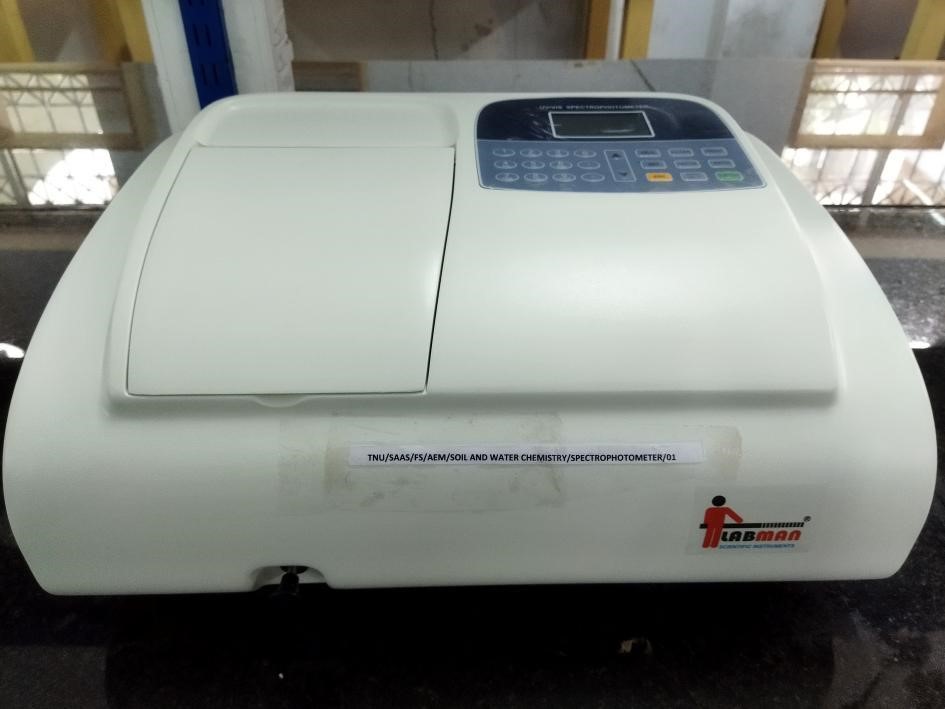
    3 Core course CC-AEM 112 Soil and Water Chemistry 2 2 3 (2+1)
    4 Core course CC-AQC 112 Fresh Water Aquaculture 2 2 3 (2+1)
    5 Core course CC-AAH 111 Fundamental Microbiology 1 2 2 (1+1)
    6 Core course CC-AEM 111 Meteorology and Geography 1 2 2 (1+1)
    7 Multidisciplinary course CC-MDC 111 Farming Based Livelihood Systems 2 2 3 (2+1)
    8 Ability enhancement course CC-AEC 111 Communication Skills 1 2 2 (1+1)
    9 Ability enhancement course CC-AEC 112 NCC-I / NSS-I 0 2 1 (0+1)
    10 Skill enhancement course CC-SEC 111 Skill Enhancement Courses* 0 3 2 (0+2)
    11 Skill enhancement course CC-SEC 112 Skill Enhancement Courses* 0 3 2 (0+2)
    12 Non-gradial CC-SBK 111 Smaskruthika Kannada / Balake Kannada 0 2 1 (0+1)
    No. of hours 38
    Total credits 23 (10+13)

    Semester II: (First Year) Curriculum
    Branch / Course: Bechelor of Fisheries Science

    SL. NO. TYPE OF COURSE COURSE CODE COURSE TITLE LECTURE
    (Hrs/Week)
    PRACTICAL
    (Hrs/Week)
    CREDITS
    1 Core course CC-AQC 121 Fish and Shellfish Breeding and Hatchery Management 2 2 3 (2+1)
    2 Core course CC-FRM 121 Anatomy and Biology of Finfish and Shellfish 2 2 3 (2+1)
    3 Core course CC-FRM 122 Physiology of Finfish and Shellfish 2 2 3 (2+1)
    4 Core course CC-AEM 121 Limnology 1 2 2 (1+1)
    5 Core course CC-MDC 121 Entrepreneurship Development and Business Management 2 2 3 (2+1)
    6 Value added course CC-VAC 121 Environmental Studies and Disaster Management 2 2 3 (2+1)
    7 Ability enhancement course CC-AEC 121 Personality Development 1 2 2 (1+1)
    8 Ability enhancement course CC-AEC 122 NCC-II / NSS-II 0 2 1 (0+1)
    9 Skill enhancement course CC-SEC 121 Skill Enhancement Courses* 0 3 2 (0+2)
    10 Skill enhancement course CC-SEC 122 Skill Enhancement Courses* 0 3 2 (0+2)
    11 Non-gradial course CC-SBK 121 Smaskruthika Kannada / Balake Kannada 0 2 1 (0+1)
    No. of hours 36
    Total credits 24 (12+12)

    Semester III: (Second Year) Curriculum
    Branch / Course: Bechelor of Fisheries Science

    SL. NO. TYPE OF COURSE COURSE CODE COURSE TITLE LECTURE
    (Hrs/Week)
    PRACTICAL
    (Hrs/Week)
    CREDITS
    1 Core course CC-AQC 211 Coastal Aquaculture and Mariculture 2 2 3 (2+1)
    2 Core course CC-AQC 212 Fish Nutrition and Feed Technology 2 2 3 (2+1)
    3 Core course CC-FRM 211 Inland Fisheries 1 2 2 (1+1)
    4 Core course CC-FET 211 Fishing Craft Technology 1 2 2 (1+1)
    5 Core course CC-FPT 211 Fundamentals of Biochemistry and Food Chemistry 1 2 2 (1+1)
    6 Core course CC-FPT 212 Post-Harvest Handling and Preservation 2 2 3 (2+1)
    7 Core course CC-ESE 211 Fisheries Extension 1 2 2 (1+1)
    8 Core course CC-PED 211 Physical Education, First Aid, Yoga Practice and Meditation 0 3 2 (0+2)
    9 Skill enhancement course CC-SEC 211 Skill Enhancement Courses* 0 3 2 (0+2)
    No. of hours 30
    Total credits 21 (10+11)

    Semester IV: (Second Year) Curriculum
    Branch / Course: Bechelor of Fisheries Science

    SL. NO. TYPE OF COURSE COURSE CODE COURSE TITLE LECTURE
    (Hrs/Week)
    PRACTICAL
    (Hrs/Week)
    CREDITS
    1 Core course CC-AQC 221 Breeding and Culture of Ornamental Fish 1 2 2 (1+1)
    2 Core course CC-AQC 222 Live Food Organisms for Fish and Shellfish 1 2 2 (1+1)
    3 Core course CC-AAH 221 Fish and Shellfish Diseases and Treatment 2 2 3 (2+1)
    4 Core course CC-FRM 221 Marine Fisheries 1 2 2 (1+1)
    5 Core course CC-FET 221 Fishing and Gear Technology 2 2 3 (2+1)
    6 Core course CC-FPT 221 Fish Products, By-products, Value Addition and Waste Management 2 2 3 (2+1)
    7 Core course CC-MDC 221 Agriculture Marketing and Trade 2 2 3 (2+1)
    8 Value added course CC-VAC 222 Agricultural Informatics and Artificial Intelligence 2 2 3 (2+1)
    9 Skill enhancement course CC-SEC 221 Skill Enhancement Courses* 0 3 2 (0+2)
    No. of hours 32
    Total credits 23 (13+10)

    Semester V: (Third Year) Curriculum
    Branch / Course: Bechelor of Fisheries Science

    SL. NO. TYPE OF COURSE COURSE CODE COURSE TITLE LECTURE
    (Hrs/Week)
    PRACTICAL
    (Hrs/Week)
    CREDITS
    1 Core course CC-AQC 311 Fish Genetics and Breeding 1 2 2 (1+1)
    2 Core course CC-AEM 311 Marine Biology 1 2 2 (1+1)
    3 Core course CC-FRM 311 Fish Population Dynamics and Stock Assessment 1 2 2 (1+1)
    4 Core course CC-AEM 312 Aquatic Ecology and Biodiversity 1 2 2 (1+1)
    5 Core course CC-AAH 311 Pharmacology and Toxicology 2 2 3 (2+1)
    6 Core course CC-FPT 311 Fish Freezing Technology 1 2 2 (1+1)
    7 Core course CC-FPT 312 Fish Canning Technology and Packaging 1 2 2 (1+1)
    8 Core course CC-FET 311 Aquaculture Engineering 2 2 3 (2+1)
    9 Core course CC-ESE 311 Fisheries Economics 2 2 3 (2+1)
    10 Non-gradial course CC-EDT 311 Education Tour (2 Weeks) Non gradial
    No. of hours 30
    Total credits 21 (12+9)

    Semester VI: (Third Year) Curriculum
    Branch / Course: Bechelor of Fisheries Science

    SL. NO. TYPE OF COURSE COURSE CODE COURSE TITLE LECTURE
    (Hrs/Week)
    PRACTICAL
    (Hrs/Week)
    CREDITS
    1 Core course CC-AQC 321 Fish Biotechnology and Bioinformatics 1 2 2 (1+1)
    2 Core course CC-AAH 321 Fish Immunology 1 2 2 (1+1)
    3 Core course CC-AAH 322 Therapeutics in Aquaculture 1 2 2 (1+1)
    4 Core course CC-AEM 321 Coastal Zone Management 1 2 2 (1+1)
    5 Core course CC-FPT 321 Microbiology of Fish and Fisheries Products 1 2 2 (1+1)
    6 Core course CC-FET 321 Refrigeration and Equipment Engineering 1 2 2 (1+1)
    7 Core course CC-FET 322 Navigation and Seamanship 1 2 2 (1+1)
    8 Core course CC-ESE 321 Statistical Methods 2 2 3 (2+1)
    9 Core course CC-ESE 322 Fisheries Policy and Laws 1 0 1 (1+0)
    10 Core course CC-ESE 323 Fisheries Co-operative and Marketing 2 2 2 (1+1)
    No. of hours 30
    Total credits 20 (11+9)

    Semester VII: (Fourth Year) Curriculum
    Branch / Course: Bachelor of Fisheries Science

    SL. NO. TYPE OF COURSE COURSE CODE COURSE TITLE LECTURE
    (Hrs/Week)
    PRACTICAL
    (Hrs/Week)
    CREDITS
    1 Core course Elective Courses (Major) # 12
    2 Core course Elective Courses (Minor) ## 8
    No. of hours 30
    Total credits 20

    Major Courses (Students may choose any Four – 12 credits)
    SL. NO. COURSE TITLE CREDIT HOURS
    1 Open-water Aquaculture 3 (2+1)
    2 Smart Aquaculture Production Systems 3 (2+1)
    3 Fish and Shell fish Pathology 3 (2+1)
    4 Disease Diagnostic Techniques 3 (2+1)
    5 Sustainable Fisheries Management and Conservation 3 (2+1)
    6 Aquatic Pollution 3 (2+1)
    7 Fishery Oceanography 3 (2+1)
    8 Analytical Techniques in Aquatic Environmental Studies 3 (2+1)
    9 Quality Assurance of Fish and Fishery Products 3 (2+1)

    Minor Courses (Students may choose any Four – 8 credits)
    SL. NO. COURSE TITLE CREDIT HOURS
    1 Cold Water Aquaculture and Recreational Fisheries 2 (1+1)
    2 Aquatic Microbiology 2 (1+1)
    3 Climate Change and its Impact on Fisheries 2 (2+0)
    4 GIS and Remote Sensing in Fisheries 2 (1+1)
    5 Responsible and Sustainable Fishing Methods 2 (1+1)
    6 Principles and Techniques of Seafood Analysis 2 (1+1)
    7 Trade Regulations, Certification and Documentation in Export of Fish and Fishery Products 2 (1+1)
    8 Marketing Intelligence and Business Analysis 2 (1+1)
    9 ICT in Fisheries 2 (1+1)

    Semester VIII: (Fourth Year) Curriculum
    Branch / Course: Bechelor of Fisheries Science

    SL. NO. TYPE OF COURSE COURSE CODE COURSE TITLE LECTURE
    (Hrs/Week)
    PRACTICAL
    (Hrs/Week)
    CREDITS
    1 Core course CC-IPA421 (AQC/FPT) In-plant / Industry Attachment (for 8 weeks) 0 6 5 (0+5)
    2 Core course CC-RFWE 421 Rural Fisheries Work Experience (RFWE) Program (for 8 weeks) 0 7 6 (0+6)
    3 Core course CC-ELP 421
    (AQC/FPT)
    Experiential Learning Program (ELP) 0 7 6 (0+6)
    4 Core course CC-PW 421 Project Work 0 3 2 (0+2)
    5 Core course CC-SEM 421 Seminar 0 2 1 (0+1)
    No. of hours 25
    Total credits 20 (0+20)

    Lab Setup

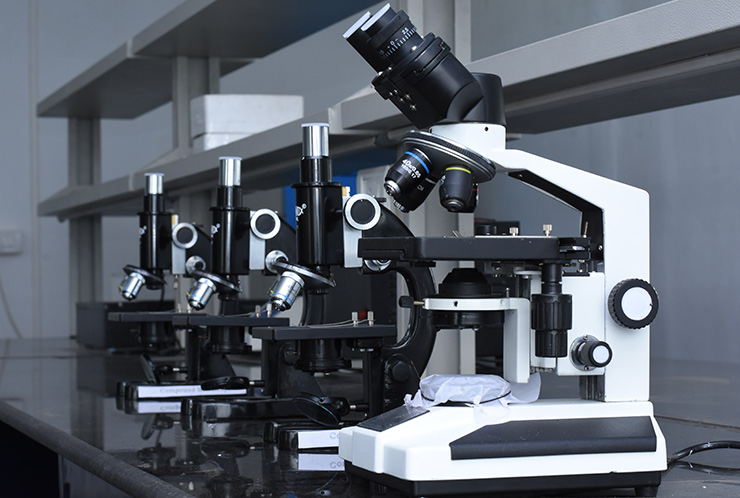
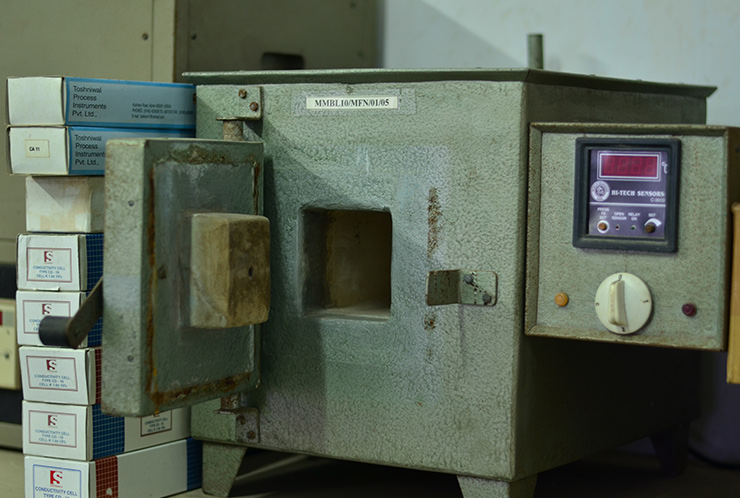
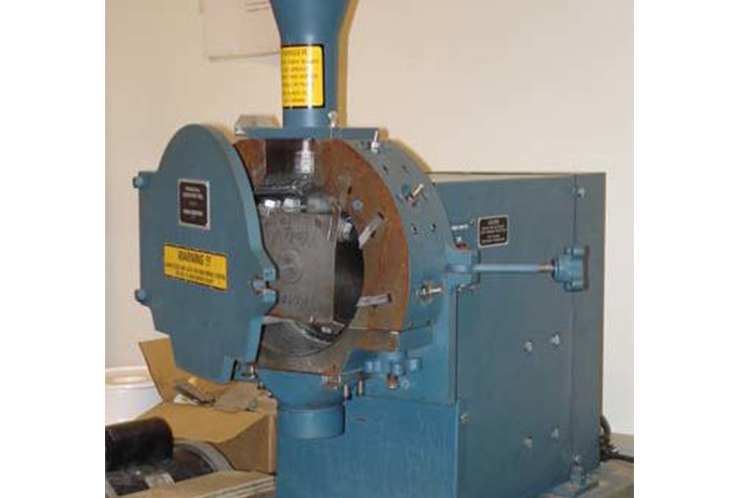
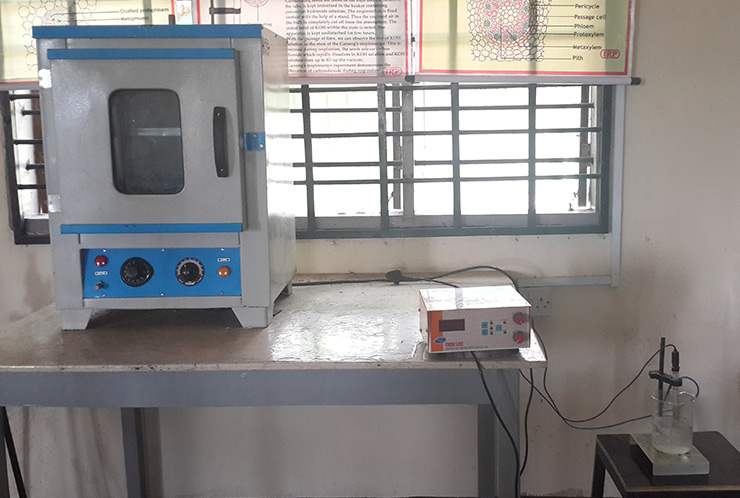
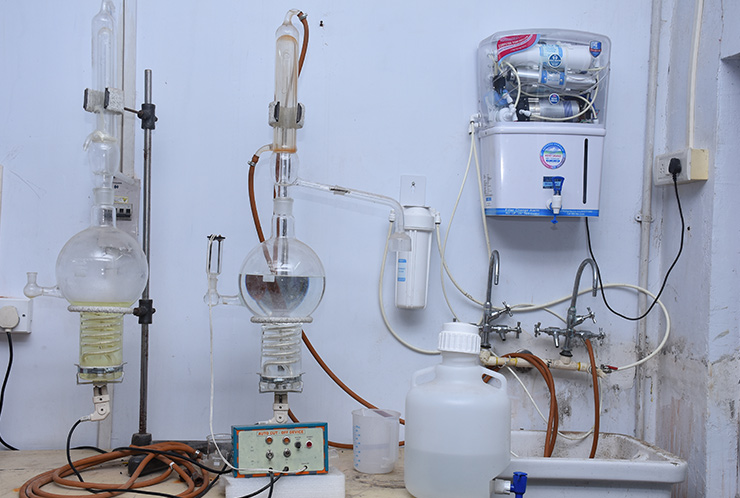
    Water quality parameters like DO, Hardness, Temperature, TDS, Conductivity, Salinity, pH and Turbidity are measured by this kit.

    For More Details icon

    Program Educational Objective

    PO1: Knowledge and Skill attainment – Students will acquire a strong foundation in the
    principles and practices of fisheries science/aquaculture, including aquatic biology, ecology, and fishery management techniques developing necessary skills in the process.

    PO2: Environment and Sustainability – Through coursework and practical experiences,
    students will develop an understanding of the environmental impact of fisheries and
    aquaculture activities, learning strategies for sustainable resource management and
    conservation.

    PO3: Problem Analysis – They will learn to identify and analyze complex challenges in
    fisheries and aquaculture, applying critical thinking and problem-solving skills to develop effective solutions.

    PO4: Ethics – Emphasis will be placed on ethical considerations in fisheries management and aquaculture practices, promoting responsible decision-making and respect for ethical guidelines and regulations.

    PO5: Design/Development of Solutions – Students will gain proficiency in designing and implementing innovative solutions to address issues such as pond preparation and management for aquaculture, overfishing, habitat degradation, and pollution in aquatic ecosystems.

    PO6: Individual and Team Work – They will engage in both independent and collaborative projects, honing their abilities to work effectively both autonomously and as part of interdisciplinary teams.

    PO7: Conduct Investigations of Complex Problems – Through research projects and
    fieldwork, students will learn to conduct thorough investigations into complex issues affecting fisheries and aquaculture, applying scientific methodologies to gather and analyze data.

    PO8: Communication – They will develop strong communication skills, both written and
    verbal, enabling them to effectively convey their findings, proposals, and recommendations to diverse audiences, including policymakers, stakeholders, and the public through extension programs.

    PO9: Modern Tool Usage – Utilizing advanced technologies and tools, students will gain
    proficiency in data collection, analysis, and modeling techniques relevant to fisheries science and aquaculture management.

    PO10: Project Management and Finance – They will learn essential skills in project
    planning, budgeting, and resource allocation, preparing them to oversee and manage fisheries and aquaculture projects efficiently and sustainably.

    PO11: Fishery and Society – Students will explore the societal impacts of fisheries and
    aquaculture practices, considering factors such as food security, economic development, and cultural traditions, and learning to navigate the complex interactions between fishery solutions and societal needs.

    PO12: Lifelong Learning – Finally, students will be encouraged to cultivate a mindset of
    continuous learning and professional development, recognizing the evolving nature of fisheries science and aquaculture management and the importance of staying abreast of emerging trends and technologies.

    Program specific outcomes (PSO)

    PSO1: Acquire comprehensive knowledge and practical skills in fisheries science and
    aquaculture for sustainable management and productivity.

    PSO2: Apply innovative problem-solving and modern technologies in designing and managing fisheries systems, ensuring quality and compliance

    PSO3: Develop hands-on expertise, extension skills, and entrepreneurial abilities to contribute effectively to the fisheries industry and engage with stakeholders.

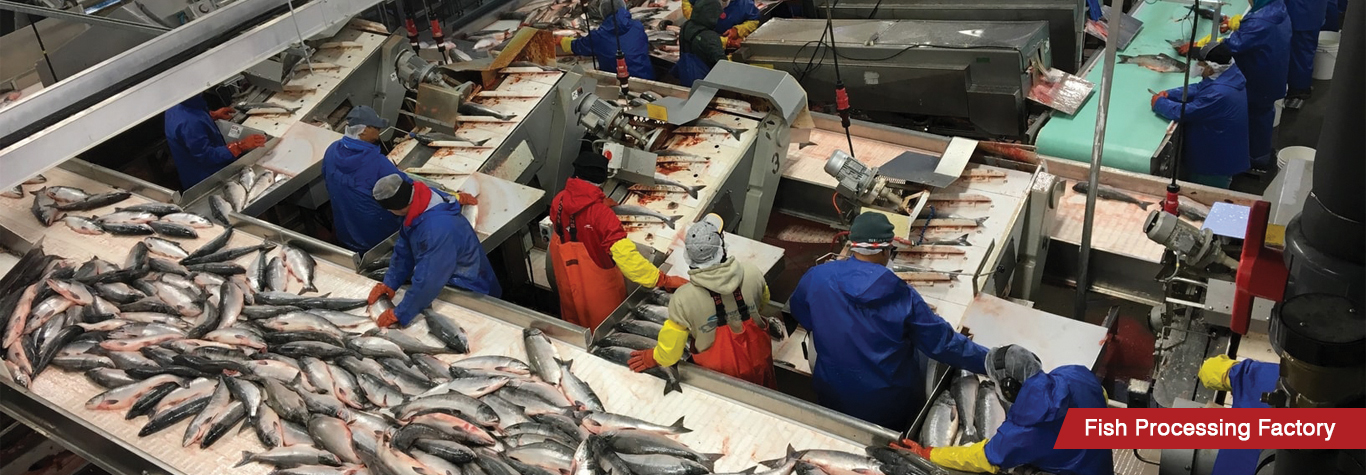
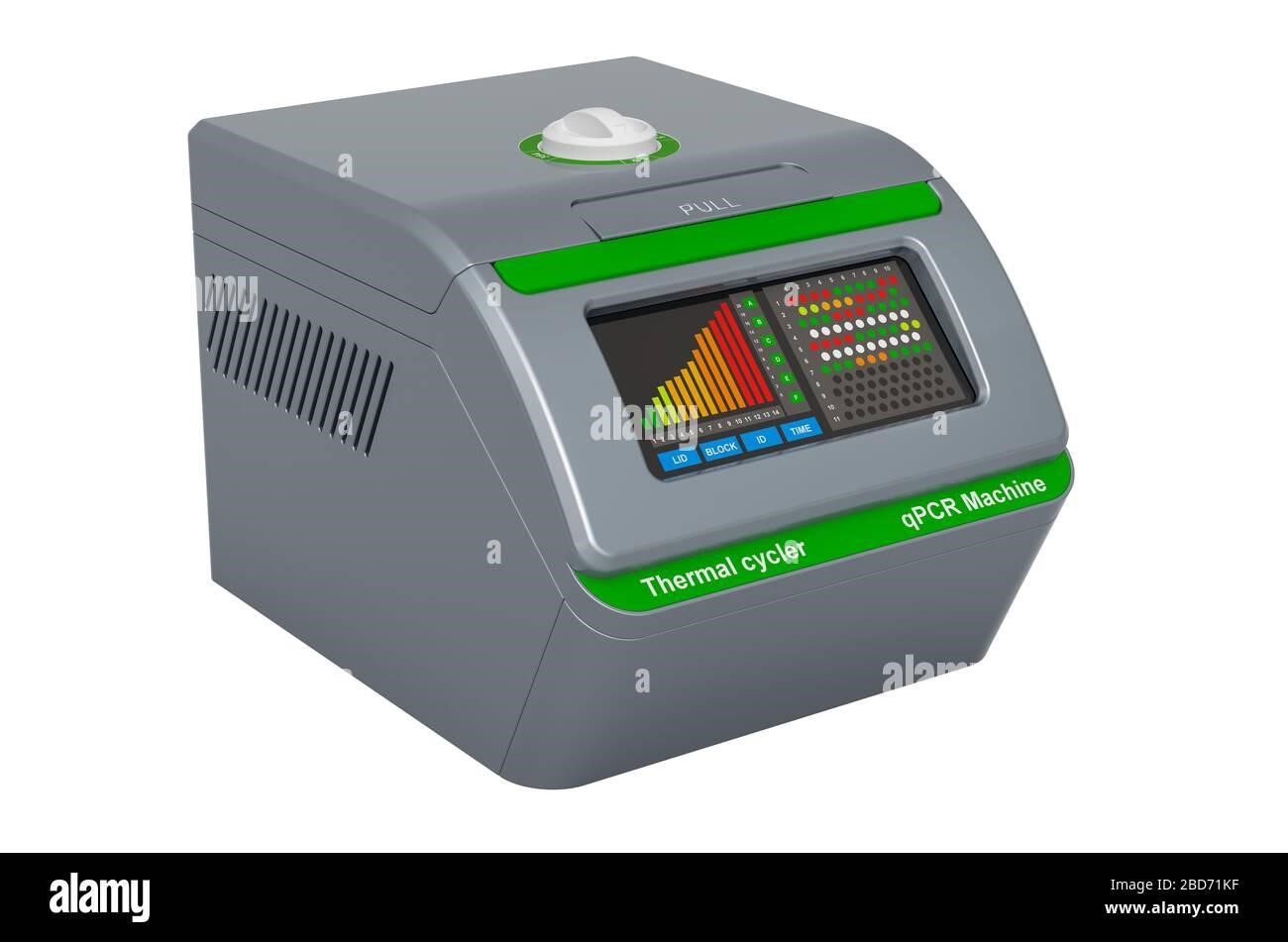
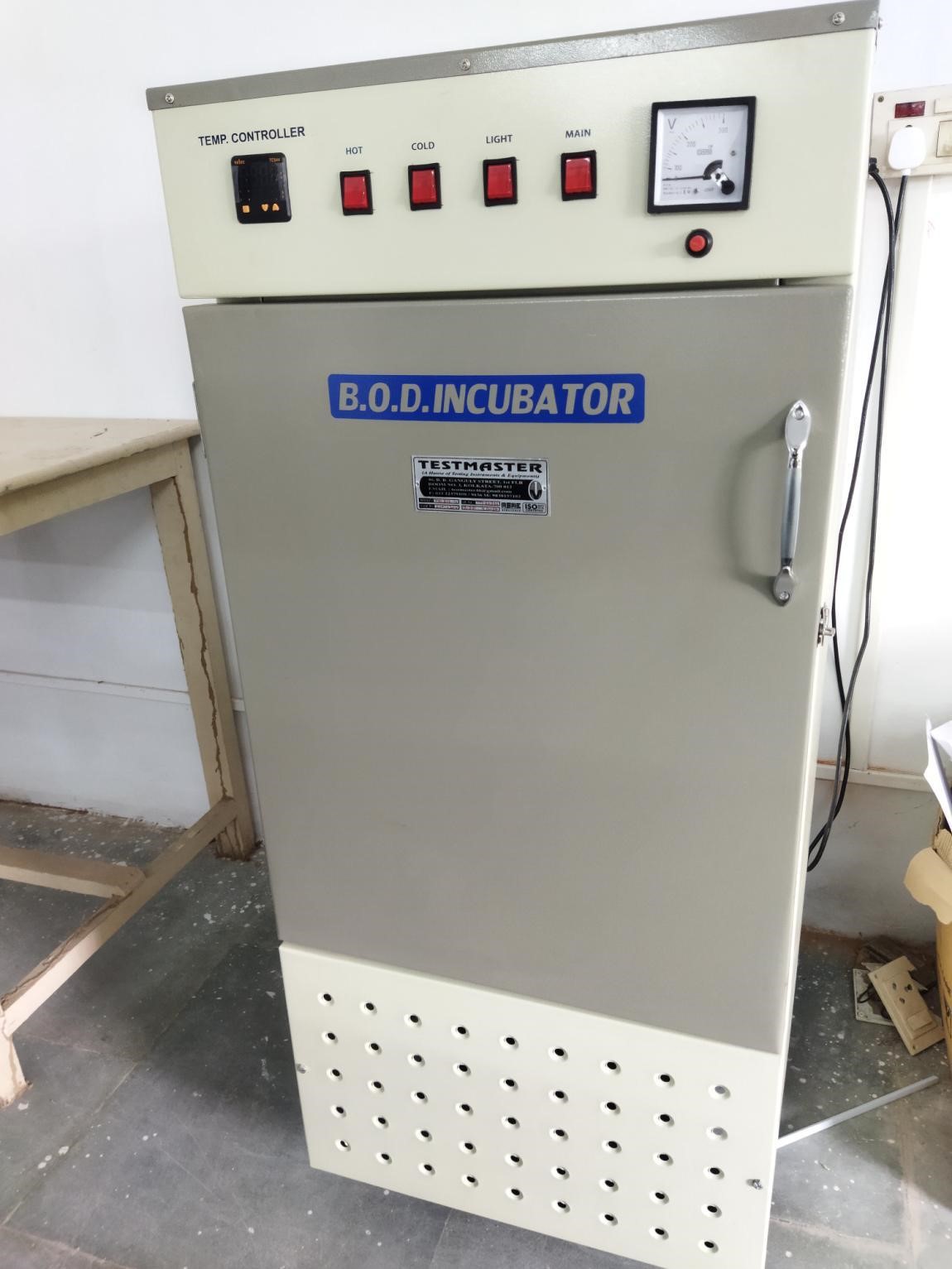
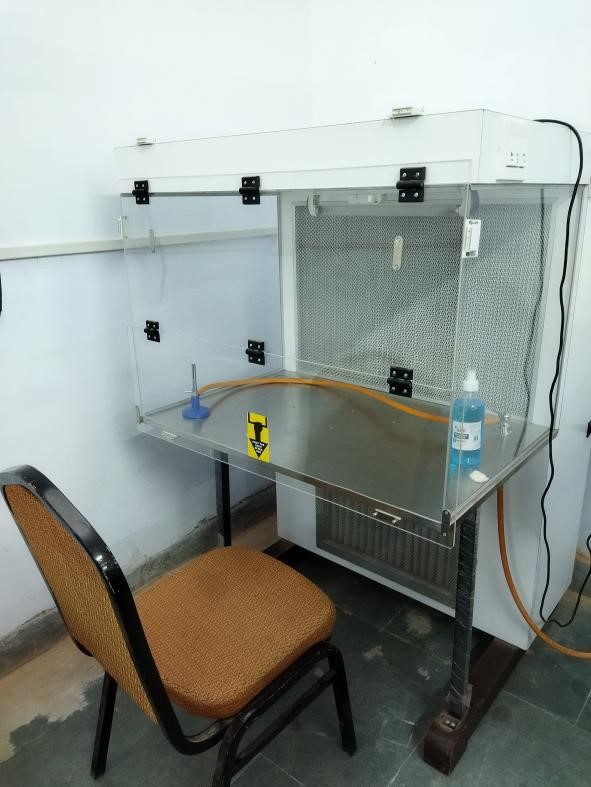
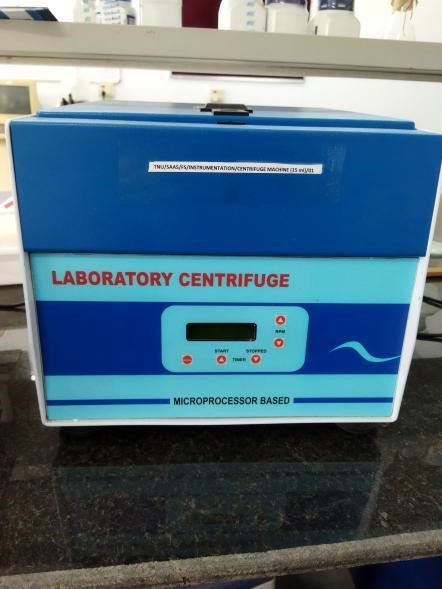
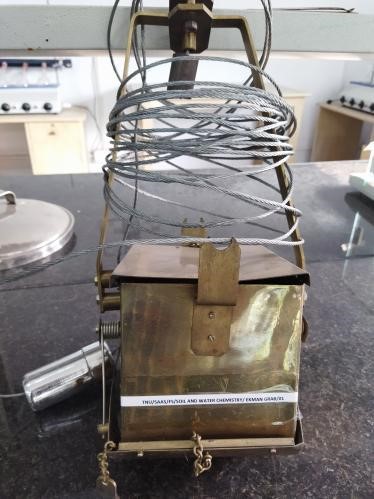
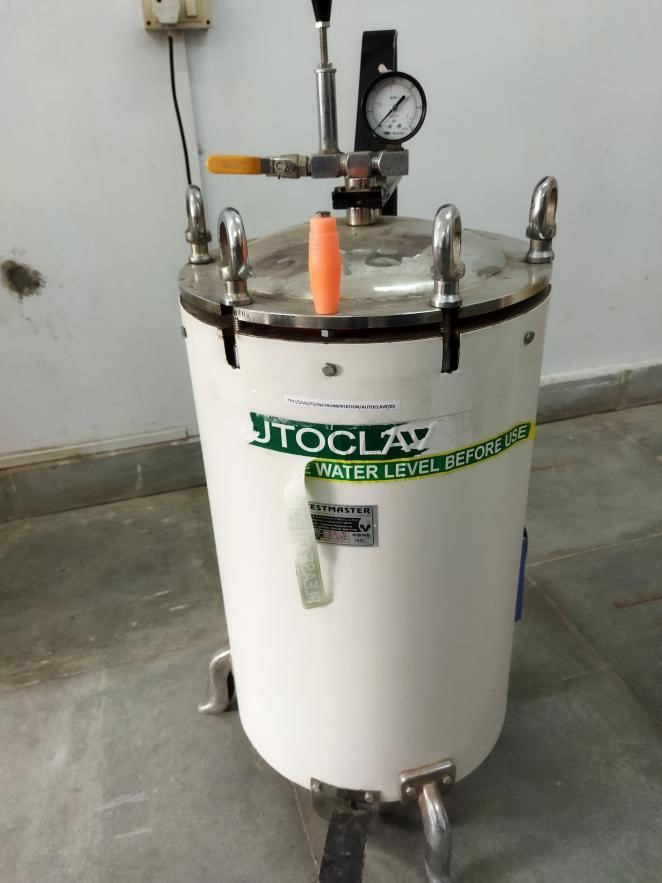
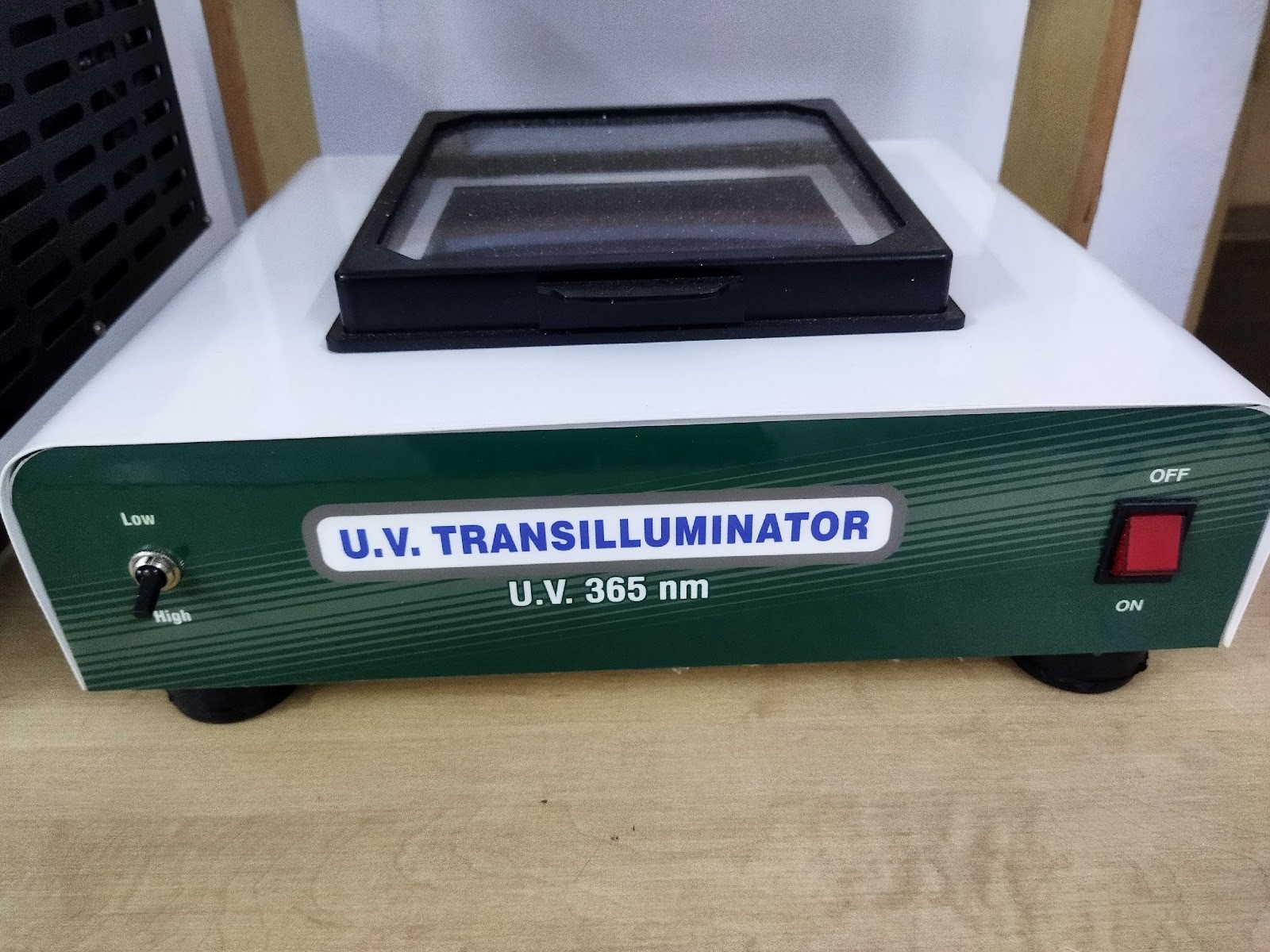
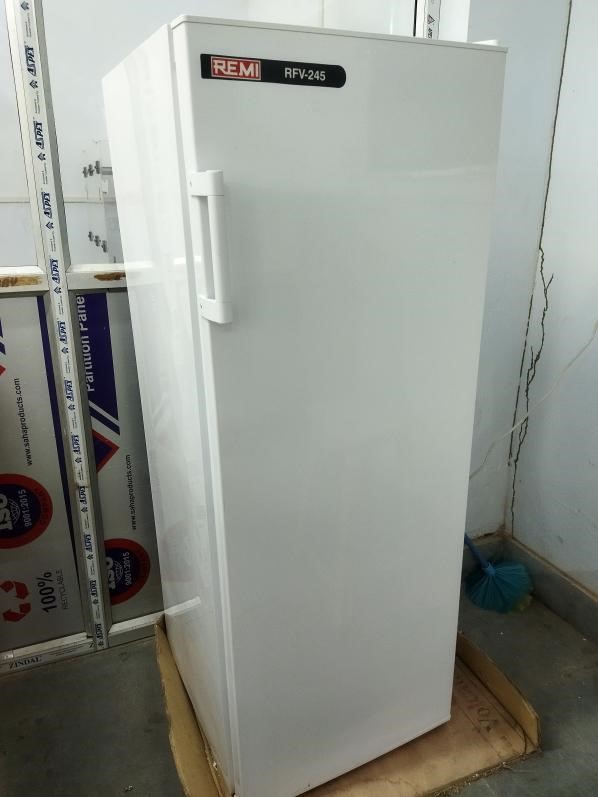
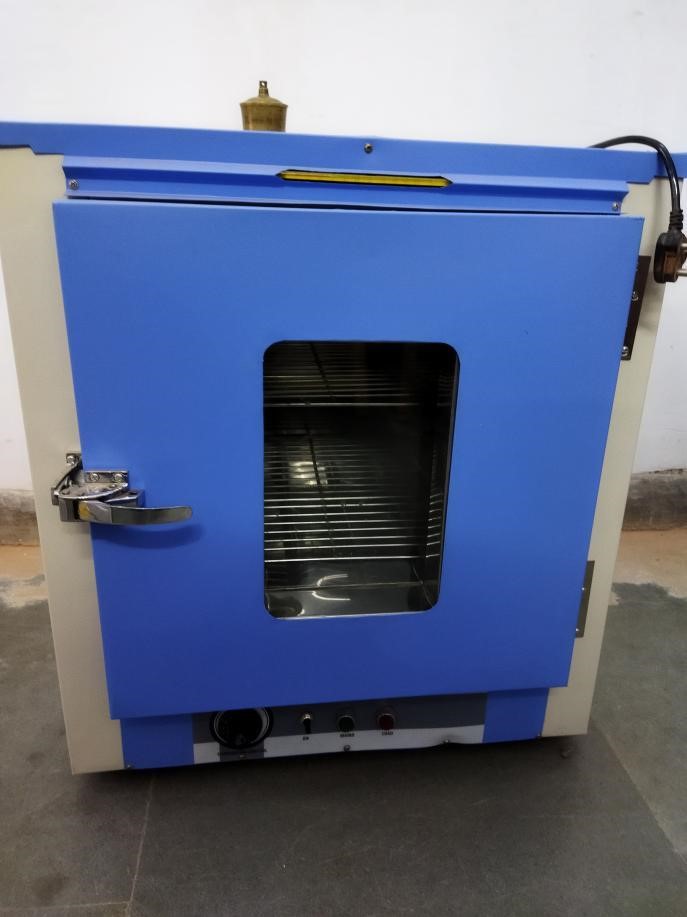
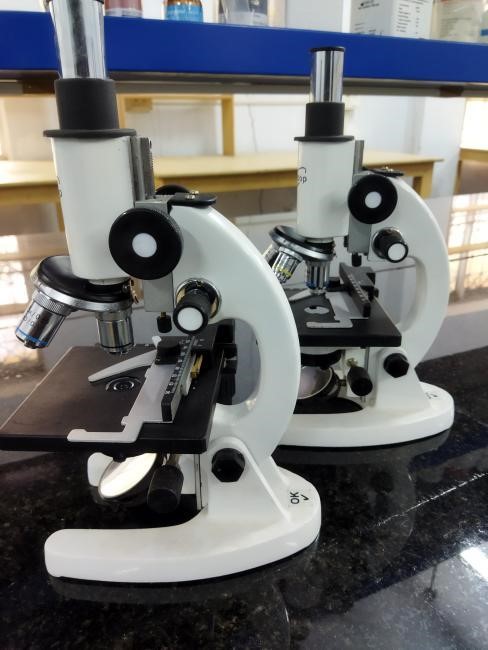
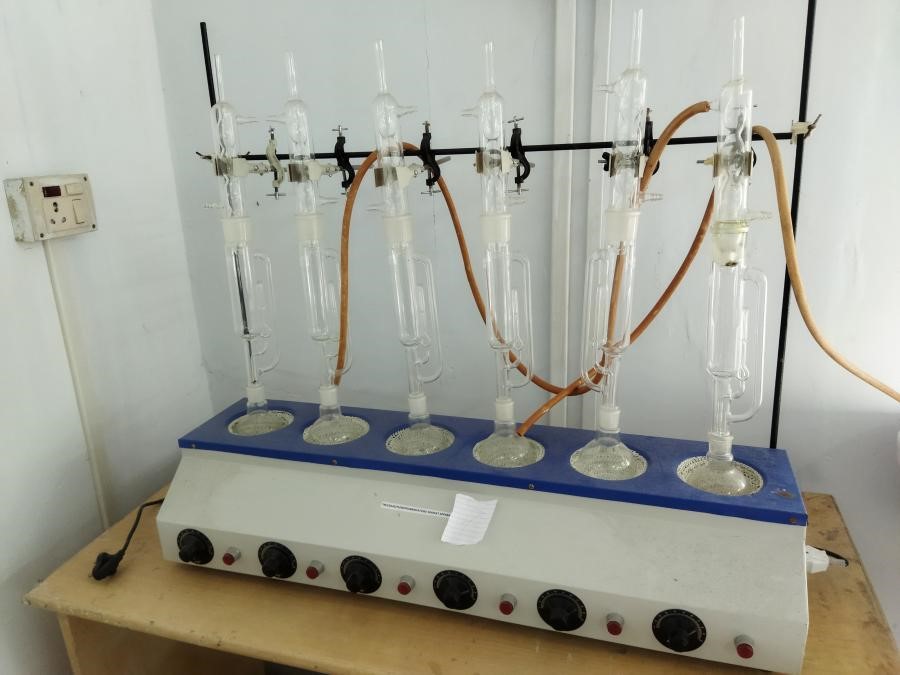
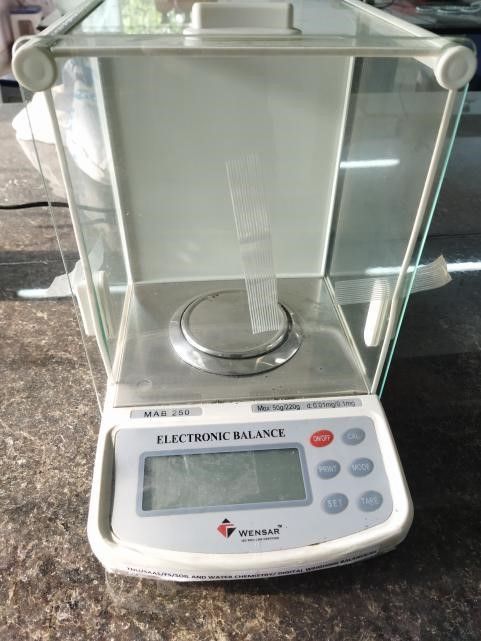
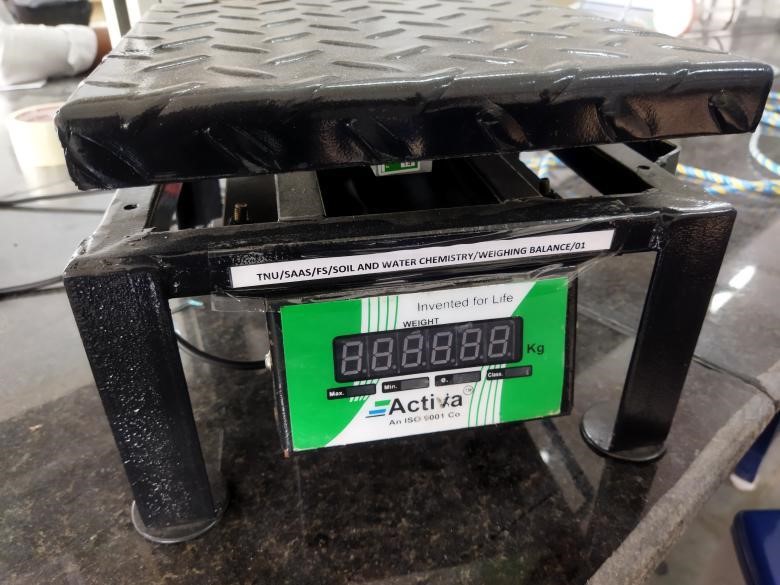
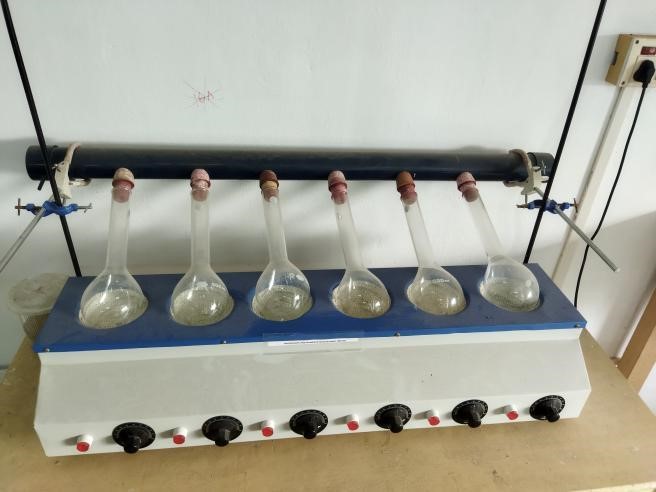
    • State-of-the-art infrastructure with six dedicated laboratories under the departments of Aquaculture, Fish Processing Technology, Fisheries Engineering, Fisheries Resource Management, Aquatic Animal Health, and Aquatic Environment Management, facilitating hands-on learning and research.
    • Fully equipped wet lab and carp hatchery under the Department of Aquaculture for practical training and research in fish breeding and aquaculture management.
    • Strong industry collaborations through MoUs with private companies such as NDM Seafood Kolkata, Nouriture (formerly Anmol Feeds) Kolkata, Krishna Agritech Kolkata, and Alert Pvt. Ltd. Kolkata, providing students with valuable exposure to industry practices.
    • Partnerships with leading government and central government organizations, including ICAR-CMFRI, ICAR-CIBA, ICAR-NBFGR, ICAR-CIFRI, and ICAR-CIFA, ensuring extensive research opportunities.
    • Academic collaboration with Centurion University, Odisha, promoting knowledge exchange and joint research initiatives.
    • An International MoU with Sylhet Agricultural University, Bangladesh, offering cross-border academic exposure and collaborative projects.
    • Highly qualified faculty members, all holding Ph.D. degrees in their respective fields, providing specialized knowledge and mentorship.
    • Continuous efforts towards academic excellence through industry-aligned curriculum, practical training modules, and participation in national and international conferences.

    Fee Structure

    Courses Offered
    (2 semesters per year)
    Fee Per Semester (A) (Rs.) One Time Fee (B) (Rs.) 1st Semester Fee (A+B) (Rs.) Total Course Fee (Rs.) 7th & 8th Semester – Exam Fee for OJT/RW (Rs.)
    Bachelor Of Fisheries Science (BFSc) 31,500 29,000 60,500 2,81,000 Included

    Modes of Payment

    ‘The Neotia University’

    Bank of Baroda
    A/C No. 6595020000033
    IFSC Code : BARB0VJOKOL
    Branch : SME Branch, Kolkata-700001


    Students can make the payment of Fee by following modes

    • 1. Demand Draft in the name of
      The Neotia University
    • 2. Cheque in the name of
      The Neotia University
    • 3. Online Payment of
      The Neotia University website

    Scholarships

    Scholarship / Sponsorship Criteria for India, Nepal, Bhutan & Bangladesh Students Admission
    for the Session 2026-27 at THE NEOTIA UNIVERSITY (TNU), W.B. for UG and Lateral Entry Courses
    SL NO. TYPE OF SCHOLARSHIP CLASS XII % or Equivalent % TERMS AND CONDITIONS PERCENTAGE (%) OF SCHOLARSHIP ON TUITION FEE
    1 CHANCELLOR’S SCHOLARSHIP i) Yearly Family income should be less than 2.5 Lakhs
    ii) Interview and document verification will be done by an empowered committee
    50% TO 100%
    2 GRAMOTTHAN SCHOLARSHIP
    (Students from Gram Panchayat area of South 24 Parganas)
    >= 65% Yearly Family Income less than 5.0 Lakhs** 25%
    3 SPECIAL HILL STUDENTS’ SCHOLARSHIP
    [Students from GTA Area (W.B), North-East States, Andaman and Nicobar Islands, Nepal & Bhutan]
    >= 65% Yearly Family Income less than 5.0 Lakhs** 25%
    4 SAHODARYA SCHOLARSHIP
    (Siblings of all students – present or passed out)
    >= 60% ANY 25%
    5 MERE APNE SCHOLARSHIP
    (For Ambuja Neotia Group employees – in memory of Late Vinod Kumar Neotia)
    >= 60% Yearly Family Income less than 5.0 Lakhs** 25%
    6 SPORTS SCHOLARSHIP >= 60% STATE / NATIONAL LEVEL PARTICIPANT / CHAMPION 25%
    7 CULTURAL SCHOLARSHIP >= 60% STATE / NATIONAL LEVEL PARTICIPANT / CHAMPION 25%

    Residential Facilities

    The University is equipped with avant-garde Infrastructure. We offer a rather impressive array of facilities viz smart classrooms, modern laboratories, conference and seminar halls, Wi-Fi enabled campus, a high-tech Learning Resource Centre, state-of-the-art IT Centre, clean and airy student residences, mess serving wholesome meals, indoor and outdoor sport facilities including a plush new gymnasium with latest equipments. Campus Banking Facilities, Doctor-on-call and Hospital Linkages are also available to enhance the student’s convenience.

    icon

    Dining and Housing

    Read More
    icon

    Swimming Pool

    Read More
    icon

    Gymnasium

    Read More
    icon

    Health and Wellbeing

    Read More
    icon

    Ragging Free Campus

    Read More

    How to Apply

    Step 1

    Sign up /Fill up the Application Form

    Step 2

    Appear for Admission Entrance Test

    Step 3

    Test Results

    Step 4

    Provisional Admission

    Step 5

    Final Admission

    Step 1:

    Sign up /Fill up the Application Form

    The student must first complete the Registration/Enquiry Form via the TNU website (www.tnu.in) or any other online platform that provides access to the TNU Registration/Enquiry link. Upon submitting the Registration Form, the student will receive a link via email, SMS, or WhatsApp to complete the Application Form. The Admission Counsellor at TNU will assist in filling out the form. Upon submission, a unique application number will be assigned to the student.

    Step 2:

    Appear for Admission Entrance Test

    All undergraduate course applicants are required to take an admission entrance examination. Once the Application Form is submitted, the Admission Test option will become available on the Student Dashboard. By selecting this link, students can complete the test at their convenience from any location. Students applying for lateral entry into postgraduate courses are exempt from this test. A distinct admission test will be organized for PhD candidates.

    Step 3:

    Test Results

    Within 24 hrs. of Admisison Test, the test results will be available at student’s Dashboard. 40% is the qualifying marks for the test.

    Step 4:

    Provisional Admission

    Following the submission of the Application Form, if the student successfully passes the entrance examination, they may secure provisional admission in their chosen and available course by remitting a fee of Rs.10,000/-. The payment procedure and link are provided above. Upon completion of the payment via TNU’s Payment Gateway, a receipt will be generated and can be accessed on the student’s Dashboard.

    Step 5:

    Final Admission

    After students receive their H.S (10+2) marks and meet TNU’s eligibility requirements for a specific course, they may secure final admission by remitting the outstanding balance of the first semester fee. Once the final admission fee is paid, a UID number will be generated for the student, allowing them to attend classes. The provisional start date for classes is set for August 1, 2025.

    Apply Now

    Important Dates

    Online Registration Starts From Started from January 2026
    Provisional Admission Started from January 2026
    Entrance Examination Date March 2026 to July 2026
    Declare of Test Results Within 24 hours of appearing the test
    Last date of Admission *The final date for Admissions will be as per UGC Guidelines.

    FAQs

    What is the qualifying criteria to take admission?

    12th Standard pass with Physics + Chemistry + Biology/Mathematics with 55% marks.

    Yes, You need to appear for Online Admission Entrance Test.

    31,500/- per semester is the fees for the course.

    One Time admission Fee of ₹29,000/- need to pay along with 1st semester fees only. In this ₹29,000/- admission processing fee is ₹10,000/- ,  Security Deposit (Refundable) is ₹10,000/- , University Registration Fee is ₹5,000/- , Development Fee is ₹3,000/- and Alumni Association Subscription is ₹1,000/-

    No, The Neotia University (TNU) is recognized by the University Grants Commission (UGC), a statutory body of the Government of India established for the coordination, determination and maintenance of standards of University education in India.
    Following ICAR prescribed syllabus with course curriculum.

    9 faculties out of which 6 faculties are PhD holder.

    Students need to visit the TNU website and click on ‘Apply Now’ and fill details about student and course preference. Then students will get online application link in their mail Id and he or she will need to fill the application form online and then will get a call from admission counsellor for further process and guidance.

    There are 7 types of scholarship offered by TNU. Please check TNU website for details.

    Top recruiters: Krishna Agritech, Anmol feed pvt ltd (Nouriture), Sterline industries, Aquadoctor solutions, NDM Seafood processor and exporters, ALRT pvt ltd.

    Salary of students who have joined: After joining they receive Rs 20,000 to Rs 25,000 per month (Based on interview).

    MoU with central universities where students go for internship or placement in fisheries projects as project associate/young professional II: ICAR-NBFGR, ICAR-CIBA, ICAR-CIFRI, ICAR-CIFA, ICAR-CMFRI, Sylhet Agricultural University, Bangladesh Agricultural University.

    Yes, there is a dedicated placement team who look after placement and internship for this course.

    Enquiry Nowicon Enquiry Nowicon
    Enquire Now Enquire Now Apply Now icon icon
    Download Brochureicon