logo
Admissions Open for 2026-27 : Join Lateral Entry Courses in B.Pharm, B.Tech, B.OPTOM, BMLT, BMRIT, BOTAT, BCCT, NUTRITION, MARINE ENGG. Courses.  For Admission and Enquiry, Contact: 704444 6888 / 704444 6999

B.Tech in CSE with Specialization in Artificial Intelligence and Robotics – LATERAL

banner

Apply Now

    I agree to receive information regarding my submitted enquiry at The Neotia University.

    B.Tech in CSE with Specialization in Artificial Intelligence and Robotics – LATERAL

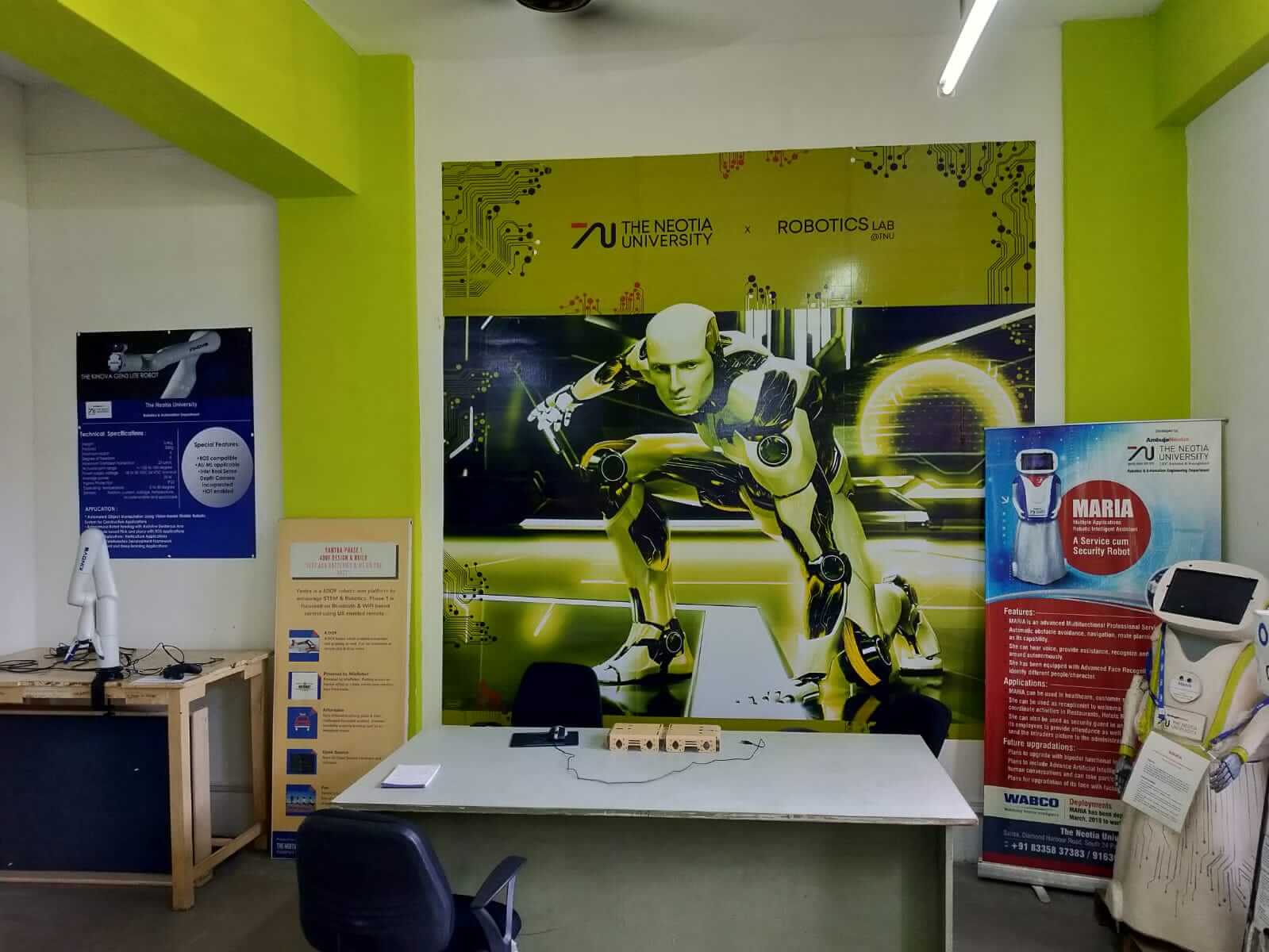
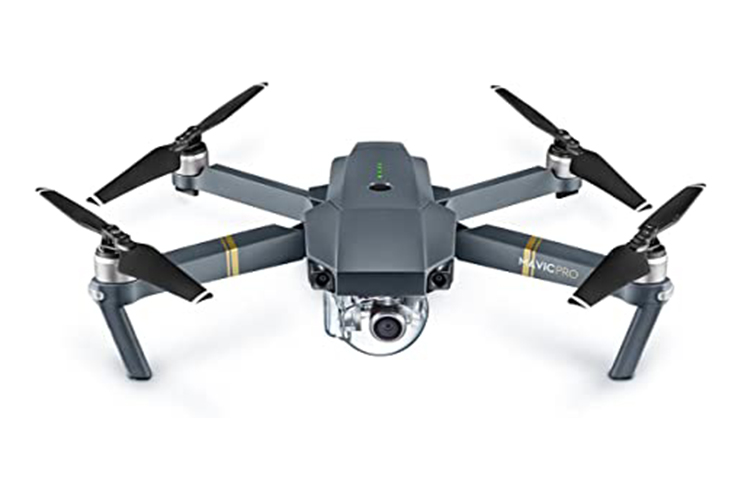
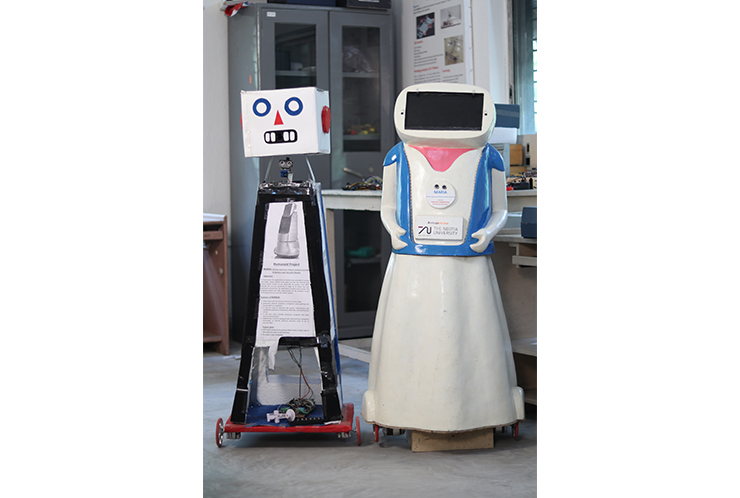
    Robotics is an interdisciplinary branch of engineering and science that includes mechanical engineering, electronic engineering, information engineering, computer science, and others. Robotics deals with the design, construction, operation, and use of robots, as well as computer systems for their control, sensory feedback, and information processing. The Robotics and Automation Engineering sector is growing at a rapid pace and promises to be one of the next biggest fields due to the rapid growth in the manufacturing sector. These engineers are engaged in the design, construction, operation, and application of industrial robots, autonomous systems as well as new generation robots like drones, autonomous vehicles, etc. The advanced curriculum structure of Robotics and Automation Engineering at The Neotia University is at par with the recent developments in advanced Artificial Intelligence, Machine Learning and Deep Learning, hands-on IOT, Computer Visions, Drone, Autonomous vehicles, and more. Hands-on based learning-Hardware development and mini-projects are delivered for each curriculum. Students learn how to develop Robots and solve real-time Industry problems. The curriculum structure is designed by Industry and Academic Experts. Internships and Industrial visits is part of the Curriculum.

    Read More

    Eligibility Criteria

    (i) 3 years Diploma Engineering. (Any Stream) with a minimum 60% marks.

    Top Recruiters, Highest Salary

    9 Companies

    Campus Recruitment for Robotics and Automation

    100%

    Placement

    3.5 Lakhs / Annum

    Average Salary Received

    4 Lakhs / Annum

    Highest Salary Received

    100%

    Internship

    8 Companies

    Offered for Internship

    Curriculum / Syllabus

    • YEAR - I
    • YEAR - II
    • YEAR - III
    • YEAR - IV

    1st year

    SL. NO. COURSE TITLE TYPE OF COURSE CREDIT HOURS L T P
    SEMESTER I
    1 Engineering Mathematics – I Mandatory Course 3 3 3 0 0
    2 Programing for Problem Solving Mandatory Course 4 6 2 0 4
    3 Engineering Physics Mandatory Course 4 6 2 0 4
    4 English Language & Soft Skill -I Ability Enhance Course (Comp 1) 3 5 1 0 4
    5 GE paper Multidisciplinary 2 2 2 0 0
    6 Certification Course Skill Enhancement Course 1 2 0 0 2
    7 Constitution of India Value Added Course 2 2 2 0 0
    SEMESTER II
    8 Engineering Mathematics-II Mandatory Course 3 3 3 0 0
    9 Principles of Robotics and its Applications Mandatory Course 4 6 2 0 4
    10 Basic Electrical and Electronics Engineering Mandatory Course 4 6 2 0 4
    11 Probability and Statistics with R Mandatory Course 3 4 2 0 2
    12 GE – Paper Multidisciplinary 2 2 2 0 0
    13 English Language & Soft Skill -II Ability Enhance Course (Comp 1) 3 5 1 0 4
    14 Certification Course Skill Enhancement Course 2 2 2 0 0
    1st Year Total 40 54 26 0 28

    2nd Year

    SL. NO. COURSE TITLE TYPE OF COURSE CREDIT HOURS L T P
    SEMESTER III
    1 Analog and Digital Electronics Mandatory Course 5 7 3 0 4
    2 Signal Processing Mandatory Course 5 7 3 0 4
    3 Engineering Mechanics and Strength of Materials Mandatory Course 4 5 3 0 2
    4 English Language & Soft Skill -III Ability Enhance Course (Comp 1) 2 3 1 0 2
    5 Manufacturing and Workshop Practices Skill Enhancement Course 2 4 0 0 4
    6 GE – Paper Multidisciplinary 2 2 2 0 0
    SEMESTER IV
    7 Embedded sytems for robotics Mandatory Course 5 7 3 0 4
    8 Fluid Mechanics and Fluid Power Mandatory Course 4 6 2 0 4
    9 Data structure and Algorithm Minor Stream 4 6 2 0 4
    10 English Language & Soft Skill -IV Ability Enhance Course (Comp 1) 2 3 1 0 2
    11 Computer Aided Design for Robotic Application Skill Enhancement Course 3 5 1 0 4
    12 GE – Paper Multidisciplinary 2 2 2 0 0
    13 Gender Sensitization Value Added Course 2 2 2 0 0
    14 Internship Internship 2 4 0 0 4
    2nd Year Total 44 63 25 0 38

    3rd Year

    SL. NO. COURSE TITLE TYPE OF COURSE CREDIT HOURS L T P
    SEMESTER V
    1 Kinematics and Dynamics of Machines Mandatory Course 5 7 3 0 4
    2 Hydraulics and Pneumatics Engineering Mandatory Course 5 7 3 0 4
    3 Introduction to ML Minor Stream 4 6 2 0 4
    4 Power Electronics Minor Stream 3 3 3 0 0
    5 English Language & Soft Skill – V Ability Enhance Course (Comp 1) 2 3 1 0 2
    6 GE – Paper Multidisciplinary 2 2 2 0 0
    7 Critical Thinking and Logical Reasoning-I Value Added Course 2 2 2 0 0
    SEMESTER VI
    8 Control System Mandatory Course 5 7 3 0 4
    9 Mechatronics System Design Mandatory Course 5 7 3 0 4
    10 Introduction to AI Minor Stream 4 6 2 0 4
    11 GE – Paper Multidisciplinary 2 2 2 0 0
    12 English Language & Soft Skill – V Ability Enhance Course (Comp 1) 2 3 1 0 2
    13 Critical Thinking and Logical Reasoning-II Value Added Course 2 2 2 0 0
    14 Project I Research Project / Dissertation 2 4 0 0 4
    15 Internship Internship 2 4 0 0 4
    3rd Year Total 47 63 26 0 32

    4th Year

    SL. NO. COURSE TITLE TYPE OF COURSE CREDIT HOURS L T P
    SEMESTER VII
    1 Robot Operating Systems Mandatory Course 4 6 2 0 4
    2 Industrial Process Automation Mandatory Course 4 6 2 0 4
    3 Computer Vision and Image Processing for Robotics Minor Stream 4 6 2 0 4
    4 Mobile Robotics and Motion Planning Minor Stream 4 6 2 0 4
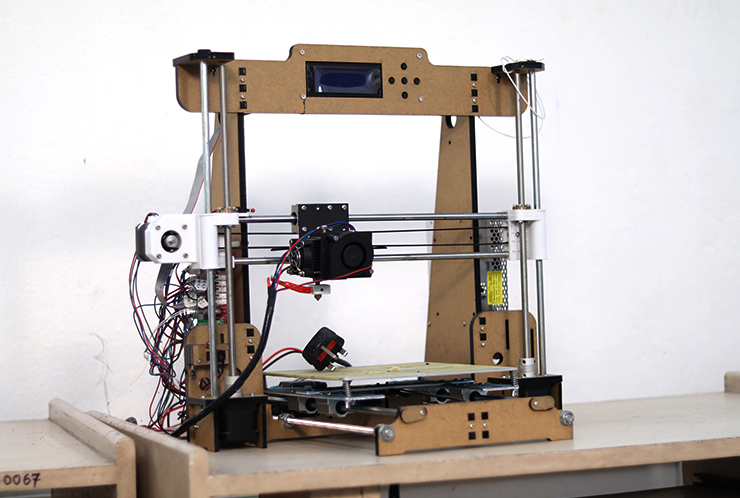
    5 CNC and Additive technology Minor Stream 4 6 2 0 4
    6 IoT for Automation Mandatory Course 4 6 2 0 4
    7 Project II Research Project / Dissertation 4 8 0 0 8
    SEMESTER VIII
    8 Electives Minor Stream 3 3 3 0 0
    9 Electives Minor Stream 3 3 3 0 0
    10 Project III Research Project / Dissertation 6 12 0 0 12
    4th Year Total 40 62 18 0 44

    Lab Setup

    Computer lab with software like Kali Linus, VMWare, Open IAM, Vulnerability scanners, NsLookUP, R, Oracle , Hadoop, Sikuli are provided.

    For More Details icon

    Program Educational Objective

    • PO1 Engineering knowledge: Apply the knowledge of mathematics, science, engineering fundamentals, and an engineering specialization to the solution of complex engineering problems.
    • PO2 Problem analysis: Identify, formulate, review research literature, and analyze complex engineering problems reaching substantiated conclusions using first principles of mathematics, natural sciences, and engineering sciences.
    • PO1 Engineering knowledge: Apply the knowledge of mathematics, science, engineering fundamentals, and an engineering specialization to the solution of complex engineering problems.
    • PO2 Problem analysis: Identify, formulate, review research literature, and analyze complex engineering problems reaching substantiated conclusions using first principles of mathematics, natural sciences, and engineering sciences.
    • PO3 Design/development of solutions: Design solutions for complex engineering problems and design system components or processes that meet the specified needs with appropriate consideration for the public health and safety, and the cultural, societal, and environmental considerations.
    • PO4 Conduct investigations of complex problems: Use research-based knowledge and research methods including design of experiments, analysis and interpretation of data, and synthesis of the information to provide valid conclusions.
    • PO5 Modern tool usage: Create, select, and apply appropriate techniques, resources, and modern engineering and IT tools including prediction and modeling to complex engineering activities with an understanding of the limitations.
    • PO6 The engineer and society: Apply reasoning informed by the contextual knowledge to assess societal, health, safety, legal and cultural issues and the consequent responsibilities relevant to the professional engineering practice.
    • PO7 Environment and sustainability: Understand the impact of the professional engineering solutions in societal and environmental contexts, and demonstrate the knowledge of, and need for sustainable development.
    • PO8 Ethics: Apply ethical principles and commit to professional ethics and responsibilities and norms of the engineering practice.
    • PO9 Individual and team work: Function effectively as an individual, and as a member or leader in diverse teams, and in multidisciplinary settings.
    • PO10 Communication: Communicate effectively on complex engineering activities with the engineering community and with society at large, such as, being able to comprehend and write effective reports and design documentation, make effective presentations, and give and receive clear instructions.
    • PO11 Project management and finance: Demonstrate knowledge and understanding of the engineering and management principles and apply these to one’s own work, as a member and leader in a team, to manage projects and in multidisciplinary environments.
    • PO12 Life-long learning: Recognize the need for, and have the preparation and ability to engage in independent and life-long learning in the broadest context of technological change.

    Programme Specific Outcomes

    • PSO1 Able to apply knowledge of Robotics, Control Systems, Embedded Systems and Automation technologies to design and develop intelligent robotic systems for industrial and societal needs.
    • PSO2 Demonstrate the ability to integrate concepts from Mechanical, Electrical, Electronics, and Computer Engineering to solve real-world problems in Robotics and Automation.
    • PSO3 Pursue innovation and research in advanced areas of Robotics, such as AI, Machine Learning, Human-Robot Interaction, and Industrial Automation, and contribute to the development of sustainable technologies.
    • External subject experts from IIT and industry to guide to design a well-structured NEP2020 curriculum
    • Good quality of faculties and lab technicians. Some of them are from industry and also have foreign degrees
    • External subject experts from IIT and industry to guide to design a well-structured NEP2020 curriculum
    • Good quality of faculties and lab technicians. Some of them are from industry and also have foreign degrees
    • Well-Equipped Lab Facility for Advanced Robots including AI/IOT enabled KINOVA Robot
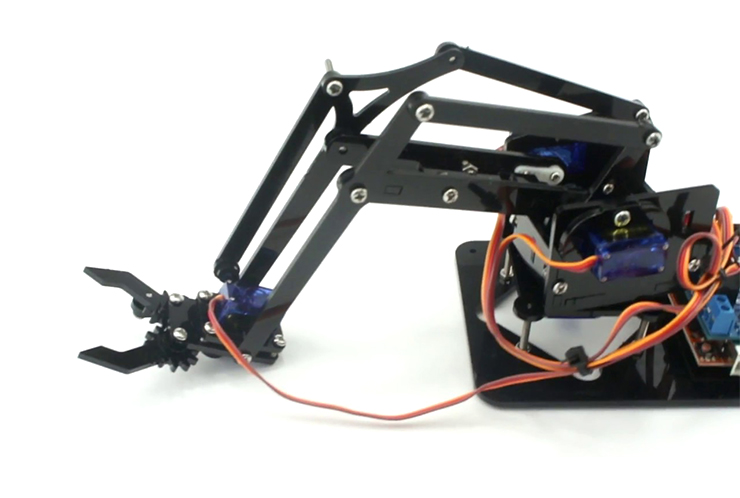
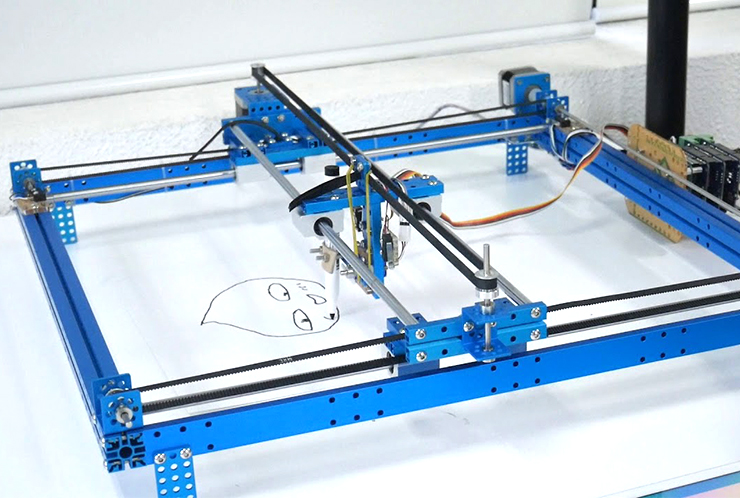
    • SCARA, X-Y Plotter, Mobile robots, IOT project tools
    • Dedicated software such as Coppliasim for Robot-simulation
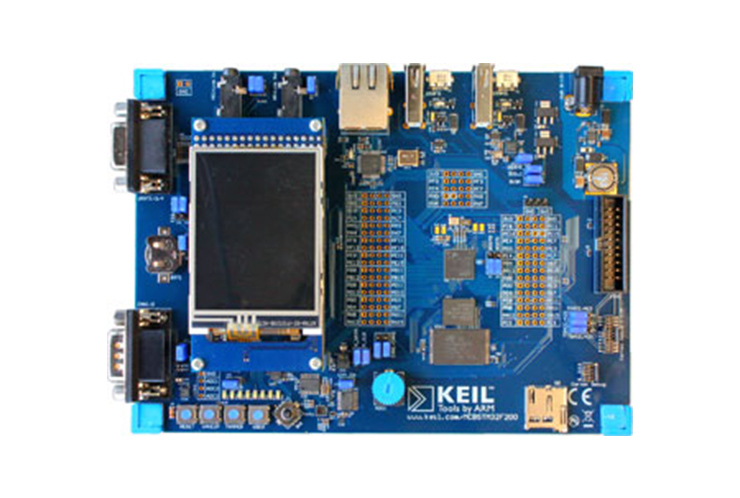
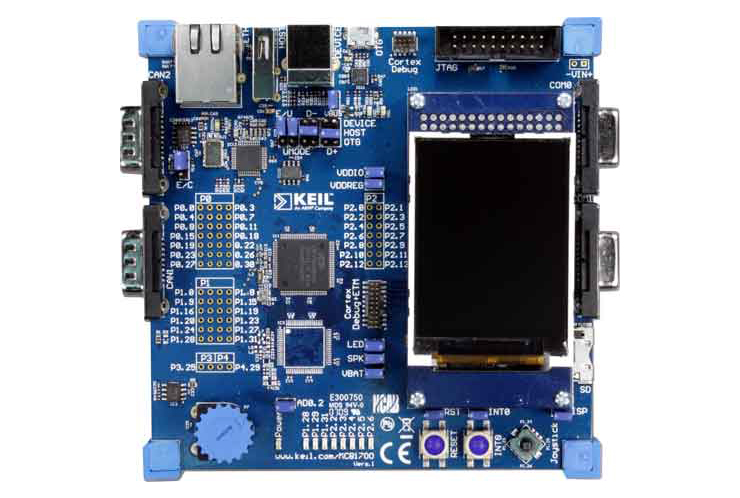
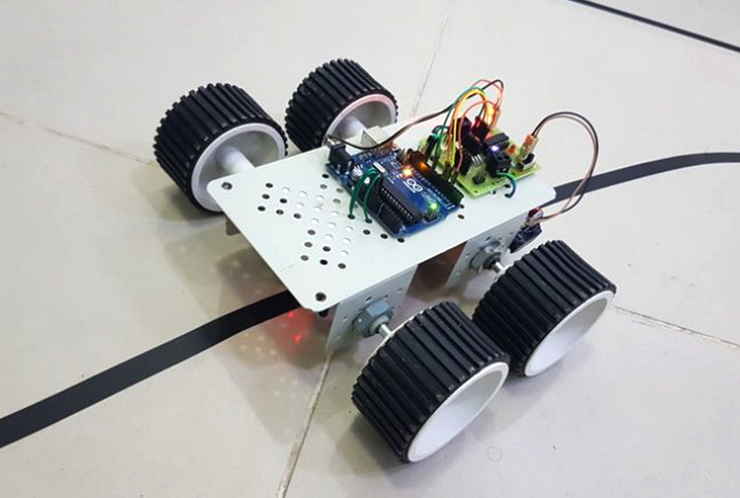
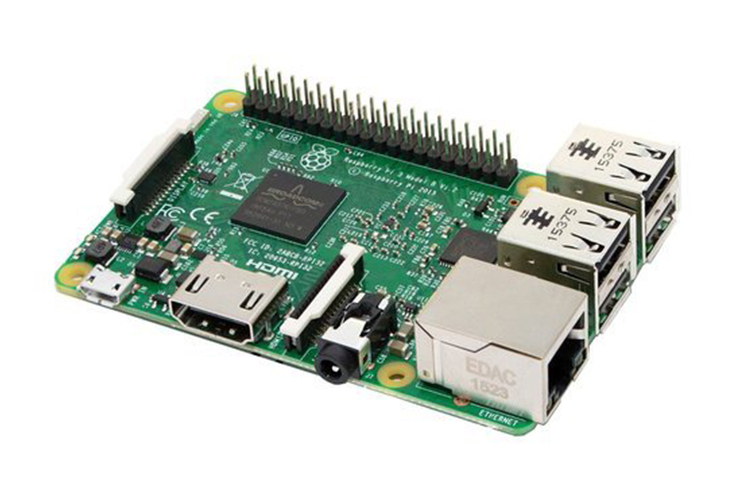
    • Embedded system lab with Arduino and Raspberry Pi programming for Robot
    • Robot Operating System (ROS) lab for Robot applications
    • Autodesk (Inventor and Fusion) for modelling robot components and its assembly

    Fee Structure

    Courses Offered Fee Per Semester (A) (Rs.) One Time Fee (B) (Rs.) 1st Semester Fee (A+B) (Rs.) No. of Semester Total Course Fee (Rs.) 7th & 8th Semester – Exam Fee for OJT/RW (Rs.)
    B.Tech in CSE with Specialization in Artificial Intelligence and Robotics-LATERAL 65,000 29,000 94,000 6 4,19,000

    Modes of Payment

    ‘The Neotia University’

    Bank of Baroda
    A/C No. 6595020000033
    IFSC Code : BARB0VJOKOL
    Branch : SME Branch, Kolkata-700001


    Students can make the payment of Fee by following modes

    • 1. Demand Draft in the name of
      The Neotia University
    • 2. Cheque in the name of
      The Neotia University
    • 3. Online Payment of
      The Neotia University website

    Scholarships

    Scholarship / Sponsorship Criteria for India, Nepal, Bhutan & Bangladesh Students Admission
    for the Session 2026-27 at THE NEOTIA UNIVERSITY (TNU), W.B. for UG and Lateral Entry Courses
    SL NO. TYPE OF SCHOLARSHIP CLASS XII % or Equivalent % TERMS AND CONDITIONS PERCENTAGE (%) OF SCHOLARSHIP ON TUITION FEE
    1 CHANCELLOR’S SCHOLARSHIP i) Yearly Family income should be less than 2.5 Lakhs
    ii) Interview and document verification will be done by an empowered committee
    50% TO 100%
    2 GRAMOTTHAN SCHOLARSHIP
    (Students from Gram Panchayat area of South 24 Parganas)
    >= 65% Yearly Family Income less than 5.0 Lakhs** 25%
    3 SPECIAL HILL STUDENTS’ SCHOLARSHIP
    [Students from GTA Area (W.B), North-East States, Andaman and Nicobar Islands, Nepal & Bhutan]
    >= 65% Yearly Family Income less than 5.0 Lakhs** 25%
    4 SAHODARYA SCHOLARSHIP
    (Siblings of all students – present or passed out)
    >= 60% ANY 25%
    5 MERE APNE SCHOLARSHIP
    (For Ambuja Neotia Group employees – in memory of Late Vinod Kumar Neotia)
    >= 60% Yearly Family Income less than 5.0 Lakhs** 25%
    6 SPORTS SCHOLARSHIP >= 60% STATE / NATIONAL LEVEL PARTICIPANT / CHAMPION 25%
    7 CULTURAL SCHOLARSHIP >= 60% STATE / NATIONAL LEVEL PARTICIPANT / CHAMPION 25%

    Residential Facilities

    The University is equipped with avant-garde Infrastructure. We offer a rather impressive array of facilities viz smart classrooms, modern laboratories, conference and seminar halls, Wi-Fi enabled campus, a high-tech Learning Resource Centre, state-of-the-art IT Centre, clean and airy student residences, mess serving wholesome meals, indoor and outdoor sport facilities including a plush new gymnasium with latest equipments. Campus Banking Facilities, Doctor-on-call and Hospital Linkages are also available to enhance the student’s convenience.

    icon

    Dining and Housing

    Read More
    icon

    Swimming Pool

    Read More
    icon

    Gymnasium

    Read More
    icon

    Health and Wellbeing

    Read More
    icon

    Ragging Free Campus

    Read More

    How to Apply

    Step 1

    Sign up /Fill up the Application Form

    Step 2

    Appear for Admission Entrance Test

    Step 3

    Test Results

    Step 4

    Provisional Admission

    Step 5

    Final Admission

    Step 1:

    Sign up /Fill up the Application Form

    The student must first complete the Registration/Enquiry Form via the TNU website (www.tnu.in) or any other online platform that provides access to the TNU Registration/Enquiry link. Upon submitting the Registration Form, the student will receive a link via email, SMS, or WhatsApp to complete the Application Form. The Admission Counsellor at TNU will assist in filling out the form. Upon submission, a unique application number will be assigned to the student.

    Step 2:

    Appear for Admission Entrance Test

    All undergraduate course applicants are required to take an admission entrance examination. Once the Application Form is submitted, the Admission Test option will become available on the Student Dashboard. By selecting this link, students can complete the test at their convenience from any location. Students applying for lateral entry into postgraduate courses are exempt from this test. A distinct admission test will be organized for PhD candidates.

    Step 3:

    Test Results

    Within 24 hrs. of Admisison Test, the test results will be available at student’s Dashboard. 40% is the qualifying marks for the test.

    Step 4:

    Provisional Admission

    Following the submission of the Application Form, if the student successfully passes the entrance examination, they may secure provisional admission in their chosen and available course by remitting a fee of Rs.10,000/-. The payment procedure and link are provided above. Upon completion of the payment via TNU’s Payment Gateway, a receipt will be generated and can be accessed on the student’s Dashboard.

    Step 5:

    Final Admission

    After students receive their H.S (10+2) marks and meet TNU’s eligibility requirements for a specific course, they may secure final admission by remitting the outstanding balance of the first semester fee. Once the final admission fee is paid, a UID number will be generated for the student, allowing them to attend classes. The provisional start date for classes is set for August 1, 2025.

    Apply Now

    Important Dates

    Online Registration Starts From Started from January 2026
    Provisional Admission Started from January 2026
    Entrance Examination Date March 2026 to July 2026
    Declare of Test Results Within 24 hours of appearing the test
    Last date of Admission *The final date for Admissions will be as per UGC Guidelines.

    FAQs

    What is the qualifying criteria to take admission?

    3 years Diploma Engineering.
    (Any Stream)

    Yes, University has their own entrance exam.

    Admission fees- Rs. 29000/- + Semester fees- Rs. 65000/-

    No other fees required.

    Yes, TNU is approved by UGC under Sec-2F

    University have currently 8 dedicated Professors for this course.

    Yes. Pls check Scholarship eligibility criteria

    Yes, every student will get a placement assistance after this course.

    Enquiry Nowicon Enquiry Nowicon
    Enquire Now Enquire Now Apply Now icon icon
    Download Brochureicon